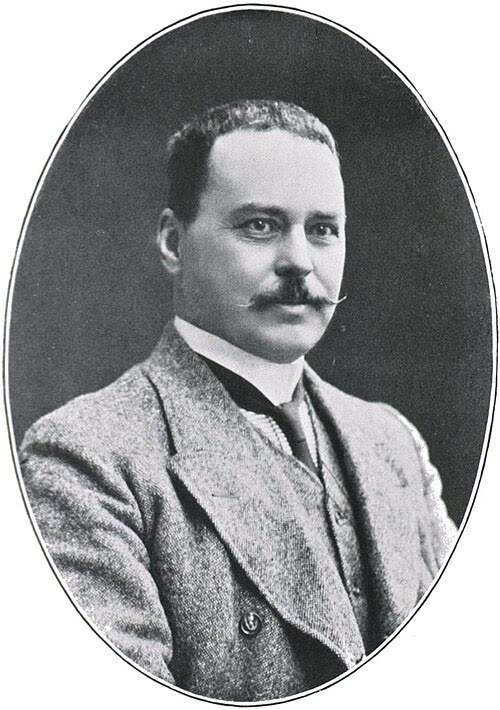
Ronald Ross
रोनाल्ड रोस
British doctor, Nobel laureate, writer, and artist (1857–1932)
- नेपाली · EnglishRead in your language
- CitedEvery fact sourced
- Ad-freeNo ads, no tracking
Sir Ronald Ross was a British medical doctor. He received the 1902 Nobel Prize for Physiology or Medicine "for his work on malaria, by which he has shown how it enters the organism and thereby has laid the foundation for successful research on this disease and methods of combating it". His discovery of the malarial parasite in the gastrointestinal tract of a mosquito in 1897 proved that malaria was transmitted by mosquitoes, and laid the foundation for the method of combating the disease.
Quick facts
Awards wd
- Fellow of the Royal Society (1901)
- Nobel Prize in Physiology or Medicine (1902)
- Knight Commander of the Order of the Bath (1911)
- James Tait Black Memorial Prize (1923)
- Royal Medal (1909)
- Knight Commander of the Order of St Michael and St George (1918)
- Manson Medal (1929)
- Bisset Hawkins Medal (1914)
- Albert Medal (1923)
- Cameron Prize of the University of Edinburgh
- Honorary Fellow of the Royal Society Te Apārangi
People also search for
 Francis Crick
 Robert Edwards (physiologist)
 Alexis Carrel
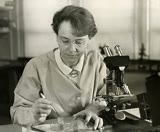 Barbara McClintock
 Carol W. Greider
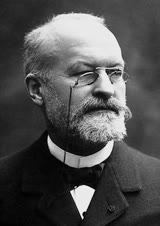 Charles Louis Alphonse Laveran
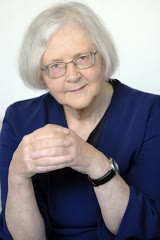 Elizabeth Blackburn
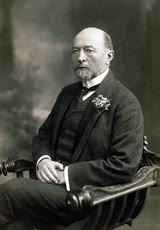 Emil von Behring
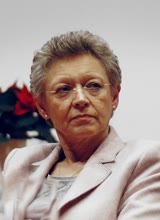 Françoise Barré-Sinoussi
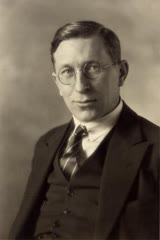 Frederick Banting
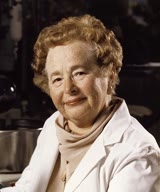 Gertrude B. Elion
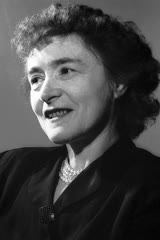 Gerty Cori
Questions
- When was Ronald Ross born?
- Ronald Ross was born on 13 May 1857 in Almora.
- Where did Ronald Ross study?
- Ronald Ross was educated at Barts and The London School of Medicine and Dentistry.
Sources
- Wikipedia (English): Ronald Ross · CC BY-SA 4.0
- Wikipedia (Nepali): रोनाल्ड रोस · CC BY-SA 4.0
- Wikidata item Q102034 · CC0 1.0
- Image: Ronald Ross.jpg by Unknown author Unknown author (Public domain)

Last updated · facts checked 5 November 2026
Cite this page
"Ronald Ross". DigiNepal. Last updated 4 November 2026. https://diginpl.com/people/ronald-ross. Retrieved 5 November 2026.
Is this you, or do you work in this person's office? Claim this profile