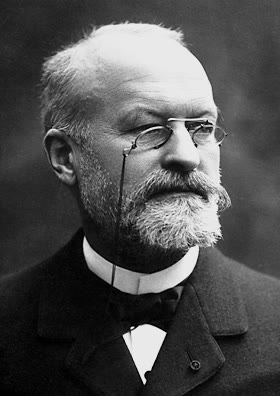
Charles Louis Alphonse Laveran
French physician
नेपालीमा पढ्नुहोस् · हिंदी में पढ़ें
- नेपाली · English · हिंदीRead in your language
- CitedEvery fact sourced
- Ad-freeNo ads, no tracking
Charles Louis Alphonse Laveran was a French physician who won the Nobel Prize in Physiology or Medicine in 1907 for his discoveries of parasitic protozoans as causative agents of infectious diseases such as malaria and trypanosomiasis. Following his father, Louis Théodore Laveran, he took up military medicine as his profession. He obtained his medical degree from University of Strasbourg in 1867.
Quick facts
Awards wd
- Nobel Prize in Physiology or Medicine (1907)
- Cothenius Medal (1895)
- Foreign Member of the Royal Society (1916)
- Commander of the Legion of Honour (1912)
- Edward Jenner Medal (1902)
People also search for
 Alexis Carrel
 Françoise Barré-Sinoussi
 Jacques Monod
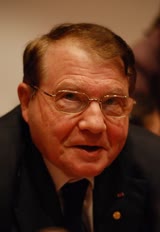 Luc Montagnier
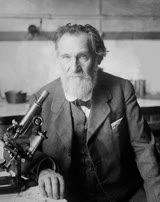 Élie Metchnikoff
 Barbara McClintock
 Carol W. Greider
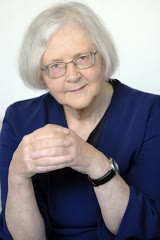 Elizabeth Blackburn
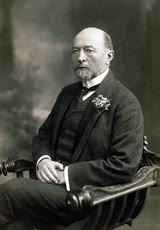 Emil von Behring
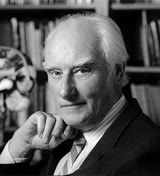 Francis Crick
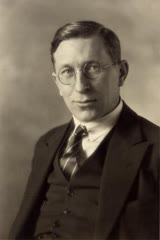 Frederick Banting
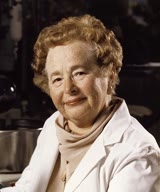 Gertrude B. Elion
Questions
- When was Charles Louis Alphonse Laveran born?
- Charles Louis Alphonse Laveran was born on 18 June 1845 in Paris.
- Where did Charles Louis Alphonse Laveran study?
- Charles Louis Alphonse Laveran was educated at Lycée Louis-le-Grand, Faculté de médecine de Strasbourg.
Sources
- Wikipedia (English): Charles Louis Alphonse Laveran · CC BY-SA 4.0
- Wikidata item Q189006 · CC0 1.0
- Image: Charles Laveran nobel.jpg by Laveran.jpg : Eugène Pirou (1841–1909) derivative work: Materialscientist ( talk ) (Public domain)

Last updated · facts checked 8 November 2026
Cite this page
"Charles Louis Alphonse Laveran". DigiNepal. Last updated 1 November 2026. https://diginpl.com/people/charles-louis-alphonse-laveran. Retrieved 8 November 2026.
Text from the Wikipedia article Charles Louis Alphonse Laveran, licensed under CC BY-SA 4.0. This page's text is shared under the same licence. Facts from Wikidata (CC0). Image: Charles Laveran nobel.jpg — Laveran.jpg : Eugène Pirou (1841–1909) derivative work: Materialscientist ( talk ), Public domain.
Is this you, or do you work in this person's office? Claim this profile