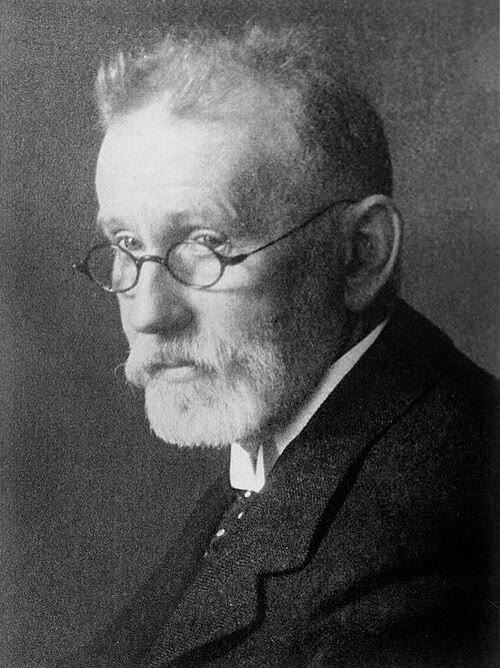
Paul Ehrlich
Jewish-German physician and scientist (1854-1915)
नेपालीमा पढ्नुहोस् · हिंदी में पढ़ें
- नेपाली · English · हिंदीRead in your language
- CitedEvery fact sourced
- Ad-freeNo ads, no tracking
Paul Ehrlich (German: [ˈpaʊl ˈeːɐ̯lɪç] ; 14 March 1854 – 20 August 1915) was a German physician and scientist who worked in the fields of hematology, immunology and antimicrobial chemotherapy. He shared the 1908 Nobel Prize in Physiology or Medicine with Élie Metchnikoff "in recognition of their work on immunity". Among his foremost achievements were finding a cure for syphilis in 1909 and inventing an important modification of the technique for Gram staining bacteria. The methods he developed for staining tissue made it possible to distinguish between different types of blood cells, which led to the ability to diagnose numerous blood diseases.
Quick facts
- Born
- wd
- Place of birth
- Strzelin wd
- Died
- wd
- Place of death
- Bad Homburg vor der Höhe wd
- Citizenship
- Kingdom of Prussia, German Empire wd
- Occupation
- immunologist, inventor, physician, university teacher, chemist, pharmacologist wd
- Education
- Magdalenaeum Wrocław, University of Rostock, Leipzig University, University of Wrocław, University of Strasbourg, University of Freiburg wd
- Spouse
- Hedwig Pinkus wd
Awards wd
- Nobel Prize in Physiology or Medicine (1908)
- Bavarian Maximilian Order for Science and Art (1912)
- Liebig Medal (1911)
- Croonian Medal and Lecture (1900)
- Foreign Member of the Royal Society (1910)
- Cameron Prize of the University of Edinburgh
- honorary member of the Physics Association (Frankfurt am Main, Germany) (1907)
About
His laboratory discovered arsphenamine (Salvarsan), the first antimicrobial drug and first effective medicinal treatment for syphilis, thereby initiating and also naming the concept of chemotherapy. Ehrlich introduced the concept of a magic bullet. He also made a decisive contribution to the development of an antiserum to combat diphtheria and conceived a method for standardising therapeutic serums. He was the founder and first director of the Paul Ehrlich Institute, a German research institution and medical regulatory body named for him in 1947, that is the nation's federal institute for vaccines and biomedicines. A genus of Rickettsiales bacteria, Ehrlichia, is named after him.
Ehrlich has been called "father of Chemotherapy".
People also search for
 Alexis Carrel
 Barbara McClintock
 Carol W. Greider
 Charles Louis Alphonse Laveran
 Elizabeth Blackburn
 Emil von Behring
 Francis Crick
 Françoise Barré-Sinoussi
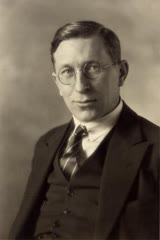 Frederick Banting
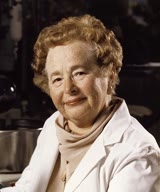 Gertrude B. Elion
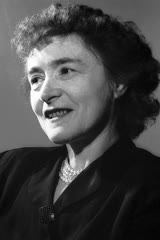 Gerty Cori
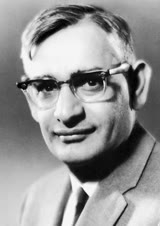 Har Gobind Khorana
Questions
- When was Paul Ehrlich born?
- Paul Ehrlich was born on 14 March 1854 in Strzelin.
- Where did Paul Ehrlich study?
- Paul Ehrlich was educated at Magdalenaeum Wrocław, University of Rostock, Leipzig University, University of Wrocław.
Sources
- Wikipedia (English): Paul Ehrlich · CC BY-SA 4.0
- Wikidata item Q57089 · CC0 1.0
- Image: Paul Ehrlich 1915.jpg by Harris & Ewing (Public domain)

Last updated · facts checked 7 November 2026
Cite this page
"Paul Ehrlich". DigiNepal. Last updated 31 October 2026. https://diginpl.com/people/paul-ehrlich. Retrieved 7 November 2026.
Is this you, or do you work in this person's office? Claim this profile