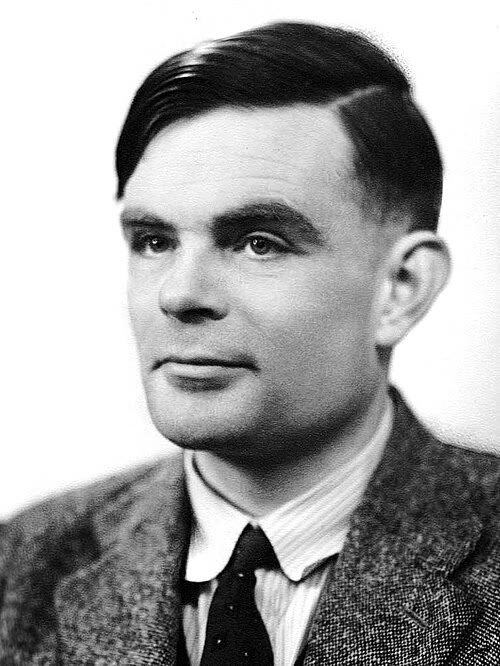
Alan Turing
English computer scientist (1912–1954)
- EnglishRead in your language
- CitedEvery fact sourced
- Ad-freeNo ads, no tracking
Alan Mathison Turing was an English mathematician and logician widely regarded as the father of theoretical computer science. He formalised the concepts of algorithm and computation with the Turing machine, a model of a general-purpose computer, and his contributions to cryptanalysis helped the Allies of World War II decipher messages encrypted by the German Enigma machine. He also contributed the Turing test to philosophy of artificial intelligence and the Turing pattern concept to mathematical and theoretical biology.
Quick facts
- Born
- wd
- Place of birth
- Maida Vale wd
- Died
- wd
- Place of death
- Wilmslow wd
- Citizenship
- United Kingdom wd
- Occupation
- computer scientist, mathematician, university teacher, cryptographer, logician, statistician wd
- Education
- Hazlehurst Community Primary School, Sherborne School, King's College, Princeton University wd
- Official website
- turingarchive.org wd
Awards wd
- Fellow of the Royal Society (1951)
- Officer of the Order of the British Empire (1946)
- Smith's Prize (1936)
In the news All news →
People also search for
 Isaac Newton
 Charles Darwin
 Ada Lovelace
 Rosalind Franklin
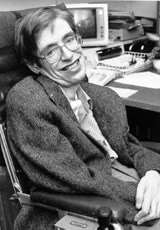 Stephen Hawking
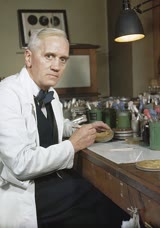 Alexander Fleming
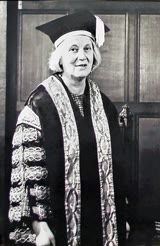 Dorothy Hodgkin
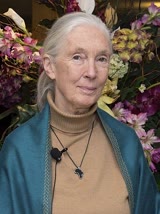 Jane Goodall
Questions
- When was Alan Turing born?
- Alan Turing was born on 23 June 1912 in Maida Vale.
- Where did Alan Turing study?
- Alan Turing was educated at Hazlehurst Community Primary School, Sherborne School, King's College, Princeton University.
Sources
- Wikipedia (English): Alan Turing · CC BY-SA 4.0
- Wikidata item Q7251 · CC0 1.0
- Image: Alan turing header.jpg by Elliott & Fry (Public domain)

Last updated · facts checked 5 November 2026
Cite this page
"Alan Turing". DigiNepal. Last updated 5 November 2026. https://diginpl.com/people/alan-turing. Retrieved 5 November 2026.
Is this you, or do you work in this person's office? Claim this profile