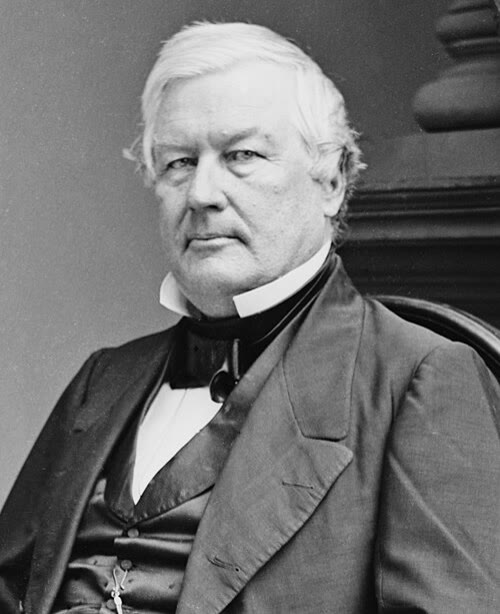
Millard Fillmore
मिल्लार्ड फिल्मोर
President of the United States from 1850 to 1853
नेपालीमा पढ्नुहोस् · हिंदी में पढ़ें
- नेपाली · English · हिंदीRead in your language
- CitedEvery fact sourced
- Ad-freeNo ads, no tracking
Millard Fillmore (January 7, 1800 – March 8, 1874) was the 13th president of the United States, serving from 1850 to 1853. He was the last president to be a member of the Whig Party while in the White House, and the last to be neither a Democrat nor a Republican. A former member of the U.S. House of Representatives, Fillmore was elected vice president in 1848, and succeeded to the presidency when Zachary Taylor died in 1850. Fillmore was instrumental in passing the Compromise of 1850, which led to a brief truce in the battle over the expansion of slavery.
Quick facts
Positions held wd
- President of the United States (9 July 1850 – 4 March 1853)
- Vice President of the United States (4 March 1849 – 9 July 1850)
- board member (4 March 1849 – 9 July 1850)
- United States representative (4 March 1837 – 3 March 1843)
- United States representative (4 March 1833 – 3 March 1835)
- member of the New York State Assembly (1829–1831)
About
Fillmore was born into poverty in the Finger Lakes area of upstate New York. He had little formal schooling, but studied to become a lawyer. Fillmore became prominent in the Buffalo area as an attorney and politician, and was elected to the New York Assembly in 1828 and the House of Representatives in 1832. Fillmore initially belonged to the Anti-Masonic Party, but became a member of the Whig Party as it formed in the mid-1830s. He was a rival for the state party leadership with Thurlow Weed and his protégé William H. Seward. Throughout his career, Fillmore declared slavery evil but said it was beyond the federal government's power to end it. Conversely, Seward argued that the federal government had a role to play. Fillmore was an unsuccessful candidate for Speaker of the U.S. House of Representatives when the Whigs took control of the chamber in 1841, but was made chairman of the Ways and Means Committee. Defeated in bids for the Whig nomination for vice president and for New York governor in 1844, Fillmore was elected Comptroller of New York in 1847, the first to hold that post by election.
As vice president, Fillmore was largely ignored by Taylor; even in dispensing patronage in New York, Taylor consulted Weed and Seward. In his capacity as president of the Senate, Fillmore presided over its angry debates as…
People also search for
 Barack Obama
 Donald Trump
 Ronald Reagan
 Abraham Lincoln
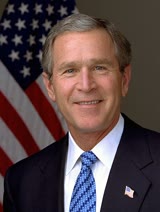 George W. Bush
 Joe Biden
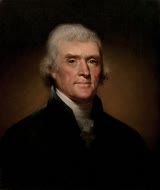 Thomas Jefferson
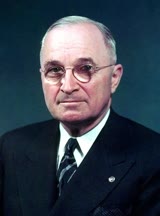 Harry S. Truman
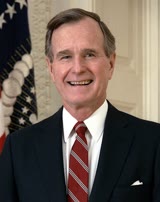 George H. W. Bush
 Theodore Roosevelt
 Richard Nixon
 Alexander Graham Bell
Questions
- When was Millard Fillmore born?
- Millard Fillmore was born on 7 January 1800 in Summerhill.
- What positions has Millard Fillmore held?
- Positions held by Millard Fillmore include: President of the United States (1850–1853); Vice President of the United States (1849–1850); board member (1849–1850); United States representative (1837–1843); United States representative (1833–1835).
Sources
- Wikipedia (English): Millard Fillmore · CC BY-SA 4.0
- Wikipedia (Nepali): मिल्लार्ड फिल्मोर · CC BY-SA 4.0
- Wikidata item Q12306 · CC0 1.0
- Image: Millard Fillmore Better Crop (cropped).jpg by Mathew Benjamin Brady (Public domain)

Last updated · facts checked 7 November 2026
Cite this page
"Millard Fillmore". DigiNepal. Last updated 31 October 2026. https://diginpl.com/people/millard-fillmore. Retrieved 8 November 2026.
Is this you, or do you work in this person's office? Claim this profile