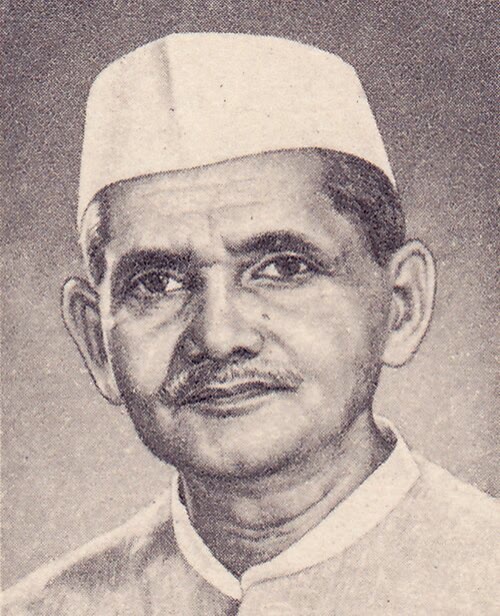
Lal Bahadur Shastri
लालबहादुर शास्त्री
Prime Minister of India from 1964 to 1966
नेपालीमा पढ्नुहोस् · हिंदी में पढ़ें
- नेपाली · English · हिंदीRead in your language
- CitedEvery fact sourced
- Ad-freeNo ads, no tracking
Lal Bahadur Shastri (2 October 1904 – 11 January 1966) was an Indian politician and statesman who served as the prime minister of India from 1964 to 1966. He previously served as home minister from 1961 to 1963.
Quick facts
Positions held wd
- Minister of External Affairs (9 June 1964 – 18 July 1964)
- Prime Minister of India (9 June 1964 – 11 January 1966)
- Minister of Home Affairs (4 April 1961 – 29 August 1963)
- Minister of Railways (13 May 1952 – 7 December 1956)
- Member of the Lok Sabha
Awards wd
- Bharat Ratna (1966)
About
Shastri was born to Sharad Prasad Srivastava and Ramdulari Devi in Mughalsarai on 2 October 1904. He studied in East Central Railway Inter college and the Harish Chandra High School, which he left to join the non-cooperation movement. He worked for the betterment of the Harijans at Muzaffarpur and dropped his caste-derived surname of "Srivastava". Influenced by Mahatma Gandhi, he joined the Indian Independence movement in the 1920s. He served as the president of Servants of the People Society, founded by Lala Lajpat Rai and held prominent positions in the Indian National Congress (INC). Following Indian independence in 1947, Shastri led several union ministries under prime minister Jawaharlal Nehru.
As prime minister, Shastri promoted the White revolution, a national campaign to increase the production and supply of milk, by supporting the Amul milk co-operative and creating the National Dairy Development Board. Underlining the need to boost India's food production, Shastri also promoted the Green Revolution in India in 1965. This led to an increase in food grain production, especially in the states of Punjab, Haryana and Uttar Pradesh. He led the country during the India–Pakistan war of 1965. His slogan "Jai Jawan, Jai Kisan" ("Hail to the soldier; Hail to the farmer") became very popular during the war. The war formally ended with the Tashkent Declaration on 10 January 1966; Shastri died the next day.
People also search for
 Jawaharlal Nehru
 Indira Gandhi
 Manmohan Singh
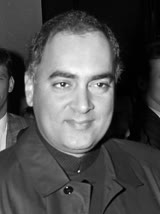 Rajiv Gandhi
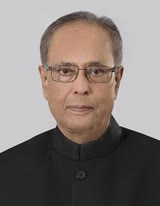 Pranab Mukherjee
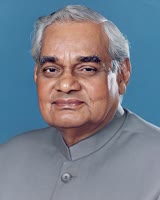 Atal Bihari Vajpayee
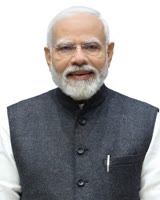 Narendra Modi
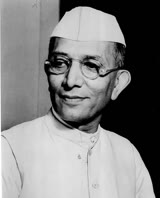 Morarji Desai
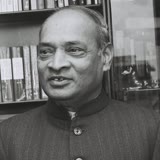 P. V. Narasimha Rao
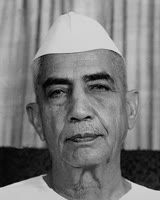 Charan Singh
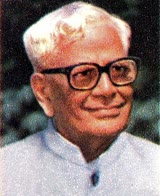 Ramaswamy Venkataraman
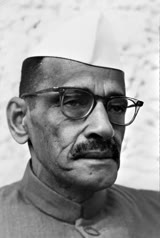 Gulzarilal Nanda
Questions
- When was Lal Bahadur Shastri born?
- Lal Bahadur Shastri was born on 2 October 1904 in Pandit Deen Dayal Upadhyaya Nagar.
- What positions has Lal Bahadur Shastri held?
- Positions held by Lal Bahadur Shastri include: Minister of External Affairs (1964–1964); Prime Minister of India (1964–1966); Minister of Home Affairs (1961–1963); Minister of Railways (1952–1956); Member of the Lok Sabha.
- Where did Lal Bahadur Shastri study?
- Lal Bahadur Shastri was educated at Harish Chandra Postgraduate College, Mahatma Gandhi Kashi Vidyapeeth.
Sources
- Wikipedia (English): Lal Bahadur Shastri · CC BY-SA 4.0
- Wikipedia (Nepali): लालबहादुर शास्त्री · CC BY-SA 4.0
- Wikidata item Q244689 · CC0 1.0
- Image: Lal Bahadur Shastri (from stamp).jpg by India Post, Government of India (GODL-India)

Last updated · facts checked 9 November 2026
Cite this page
"Lal Bahadur Shastri". DigiNepal. Last updated 2 November 2026. https://diginpl.com/people/lal-bahadur-shastri. Retrieved 9 November 2026.
Is this you, or do you work in this person's office? Claim this profile