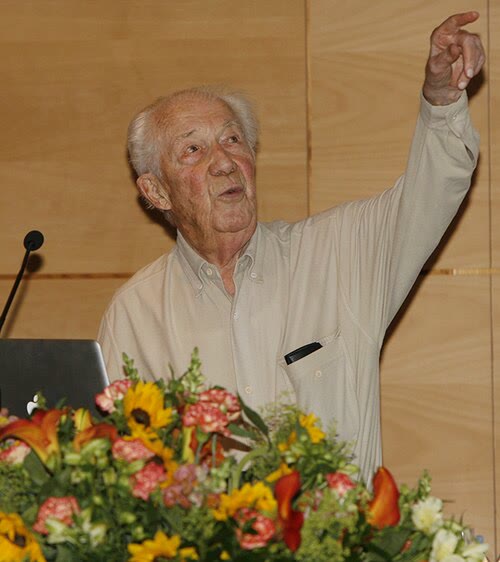
Christian de Duve
Belgian biochemist, cytologist (1917–2013)
नेपालीमा पढ्नुहोस् · हिंदी में पढ़ें
- नेपाली · English · हिंदीRead in your language
- CitedEvery fact sourced
- Ad-freeNo ads, no tracking
Christian René Marie Joseph, Viscount de Duve (2 October 1917 – 4 May 2013) was a Nobel Prize-winning Belgian cytologist and biochemist. He made serendipitous discoveries of two cell organelles, peroxisomes and lysosomes, for which he shared the Nobel Prize in Physiology or Medicine in 1974 with Albert Claude and George E. Palade ("for their discoveries concerning the structural and functional organization of the cell"). In addition to peroxisome and lysosome, he invented scientific names such as autophagy, endocytosis, and exocytosis on a single occasion.
Quick facts
Awards wd
- Nobel Prize in Physiology or Medicine (1974)
- Knight Grand Cross of the Order of Leopold II
- Commander of the Order of the Crown
- Order of Leopold
- Francqui Prize (1960)
- Canada Gairdner International Award (1967)
- Honorary doctor of Leiden University (1970)
- Dr H.P. Heineken Prize for Biochemistry and Biophysics (1973)
- honorary doctor of the University Lille-II (1973)
- honorary doctor of Paris Descartes University (1974)
- Foreign Member of the Royal Society (1988)
- E. B. Wilson Medal (1989)
- honorary doctor of the Université libre de Bruxelles (2010)
- honorary doctorate of the University of the Mediterranean - Aix Marseille II (1978)
About
The son of Belgian refugees during the First World War, de Duve was born in Thames Ditton, Surrey, England. His family returned to Belgium in 1920. He was educated by the Jesuits at Our Lady College, Antwerp, and studied medicine at the Catholic University of Louvain. Upon earning his MD in 1941, he joined research in chemistry, working on insulin and its role in diabetes mellitus. His thesis earned him the highest university degree agrégation de l'enseignement supérieur (equivalent to PhD) in 1945.
With his work on the purification of penicillin, he obtained an MSc degree in 1946. He went for further training under later Nobel Prize winners Hugo Theorell at the Karolinska Institutet in Stockholm, and Carl and Gerti Cori at the Washington University in St. Louis. He joined the faculty of medicine at Leuven in 1947. In 1960 he was invited to the Rockfeller Institute (now Rockefeller University). With mutual arrangement with Leuven, he became professor in both universities from 1962, dividing his time between Leuven and New York. In 1974, the same year he received his Nobel Prize, he founded the ICP, which would later be renamed the de Duve Institute. He became emeritus professor of the University of Louvain in 1985, and of Rockefeller in 1988.
De Duve was granted the rank of Viscount in 1989 by King Baudouin of…
People also search for
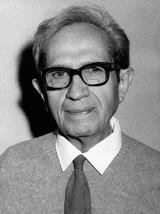 Albert Claude
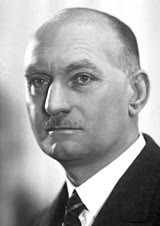 Corneille Heymans
 François Englert
 Jean Bricmont
Questions
- When was Christian de Duve born?
- Christian de Duve was born on 2 October 1917 in Thames Ditton.
- Where did Christian de Duve study?
- Christian de Duve was educated at Catholic University of Leuven (1834–1968), Our Lady College, Antwerp.
Sources
- Wikipedia (English): Christian de Duve · CC BY-SA 4.0
- Wikidata item Q234590 · CC0 1.0
- Image: Christian de Duve.tif by Julien Doornaert (CC BY 2.5)
Last updated · facts checked 5 November 2026
Cite this page
"Christian de Duve". DigiNepal. Last updated 31 October 2026. https://diginpl.com/people/christian-de-duve. Retrieved 5 November 2026.
Is this you, or do you work in this person's office? Claim this profile