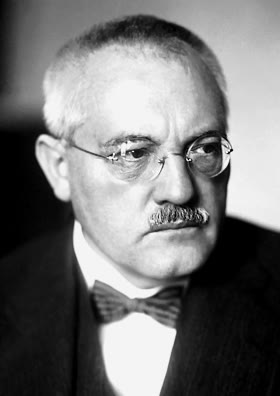
Carl Bosch
German chemical engineer (1874–1940)
नेपालीमा पढ्नुहोस् · हिंदी में पढ़ें
- नेपाली · English · हिंदीRead in your language
- CitedEvery fact sourced
- Ad-freeNo ads, no tracking
Carl Bosch (German pronunciation: [kaʁl ˈbɔʃ] ; 27 August 1874 – 26 April 1940) was a German chemist and engineer and Nobel Laureate in Chemistry. He was a pioneer in the field of high-pressure industrial chemistry and founder of IG Farben, at one point the world's largest chemical company.
Quick facts
Positions held wd
- Geheimrat
Awards wd
- Werner von Siemens Ring (1924)
- Nobel Prize in Chemistry (1931)
- Goethe Prize of the City of Frankfurt (1939)
- Wilhelm Exner Medal (1932)
- National Inventors Hall of Fame (2006)
- Bunsen Medal (1918)
- Liebig Medal (1919)
- Wehrwirtschaftsführer
- Grashof Commemorative Medal (1930)
About
He also developed the Haber–Bosch process, important for the large-scale synthesis of fertilizers and explosives. It is estimated that one-third of annual global food production uses ammonia from the Haber–Bosch process, and that this supports nearly half of the world's population. In addition, he co-developed the so-called Bosch-Meiser process for the industrial production of urea.
People also search for
 Otto Grote zu Schauen
 Arnold Sommerfeld
 Heinrich von Schlick
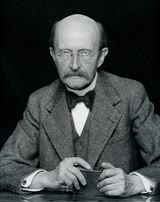 Max Planck
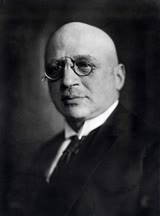 Fritz Haber
Questions
- When was Carl Bosch born?
- Carl Bosch was born on 27 August 1874 in Cologne.
- What positions has Carl Bosch held?
- Positions held by Carl Bosch include: Geheimrat.
- Where did Carl Bosch study?
- Carl Bosch was educated at Technische Universität Berlin, Leipzig University.
Sources
- Wikipedia (English): Carl Bosch · CC BY-SA 4.0
- Wikidata item Q76606 · CC0 1.0
- Image: Carl Bosch.jpg by Nobel Foundation (Public domain)

Last updated · facts checked 4 November 2026
Cite this page
"Carl Bosch". DigiNepal. Last updated 31 October 2026. https://diginpl.com/people/carl-bosch. Retrieved 4 November 2026.
Is this you, or do you work in this person's office? Claim this profile