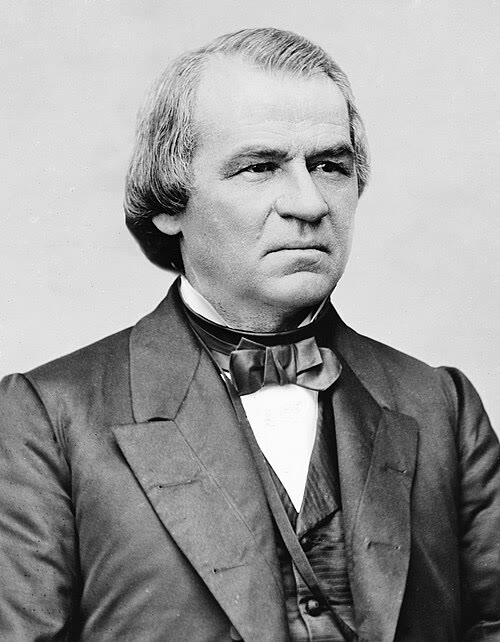
Andrew Johnson
एन्ड्रयु जोन्सन
President of the United States from 1865 to 1869
नेपालीमा पढ्नुहोस् · हिंदी में पढ़ें
- नेपाली · English · हिंदीRead in your language
- CitedEvery fact sourced
- Ad-freeNo ads, no tracking
Andrew Johnson (December 29, 1808 – July 31, 1875) was the 17th president of the United States, serving from 1865 to 1869. The 16th vice president, he assumed the presidency following the assassination of Abraham Lincoln. Johnson was a War Democrat who ran with Lincoln on the National Union Party ticket in the 1864 presidential election, coming to office as the American Civil War concluded. Johnson favored quick restoration of the seceded states to the Union without protection for the newly freed people who were formerly enslaved, as well as pardoning ex-Confederates. This led to conflict with the Republican Party-dominated U.S. Congress, culminating in his impeachment by the House of Representatives in 1868. He was acquitted in the Senate by one vote.
Quick facts
- Born
- wd
- Place of birth
- Raleigh wd
- Died
- wd
- Place of death
- Elizabethton wd
- Citizenship
- United States wd
- Occupation
- politician, military officer, statesperson, tailor, governor, mayor wd
- Political party
- National Union Party (1864–1868), Democratic Party (since 1839), Workingmen's Party of New York (1829–1835), Republican Party wd
- Spouse
- Eliza McCardle Johnson wd
Positions held wd
- United States senator (4 March 1875 – 31 July 1875)
- President of the United States (15 April 1865 – 4 March 1869)
- Vice President of the United States (4 March 1865 – 15 April 1865)
- Governor of Tennessee (12 March 1862 – 4 March 1865)
- United States senator (4 March 1861 – 4 March 1862)
- United States senator (4 March 1859 – 4 March 1861)
- United States senator (8 October 1857 – 4 March 1859)
- United States representative (4 March 1843 – 3 March 1853)
- member of the State Senate of Tennessee
- member of the Tennessee House of Representatives
- senator
About
Johnson was born into poverty and never attended school. He was apprenticed as a tailor and worked in several frontier towns before settling in Greeneville, Tennessee, serving as an alderman and mayor before being elected to the Tennessee House of Representatives in 1835. After briefly serving in the Tennessee Senate, Johnson was elected to the U.S. House of Representatives in 1843, where he served five two-year terms. He was the governor of Tennessee for four years, and was elected by the legislature to the U.S. Senate in 1857. During his congressional service, he sought passage of the Homestead Bill, which was enacted soon after he left his Senate seat. In February 1861, slave states in the Southern U.S., including Tennessee, seceded to form the Confederate States of America, but Johnson remained firmly with the Union. He was the only senator from a Confederate state who did not promptly resign his seat upon learning of his state's secession. In 1862, Lincoln appointed him as Military Governor of Tennessee after most of it had been retaken. Johnson was a logical choice as Lincoln's running mate in 1864 because…
People also search for
 Barack Obama
 Joe Biden
 John F. Kennedy
 Harry S. Truman
 Richard Nixon
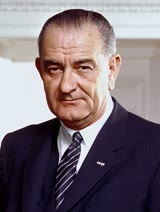 Lyndon B. Johnson
 Donald Trump
 Ronald Reagan
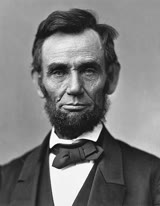 Abraham Lincoln
 George W. Bush
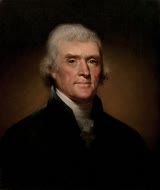 Thomas Jefferson
 George H. W. Bush
Questions
- When was Andrew Johnson born?
- Andrew Johnson was born on 29 December 1808 in Raleigh.
- What positions has Andrew Johnson held?
- Positions held by Andrew Johnson include: United States senator (1875–1875); President of the United States (1865–1869); Vice President of the United States (1865–1865); Governor of Tennessee (1862–1865); United States senator (1861–1862).
Sources
- Wikipedia (English): Andrew Johnson · CC BY-SA 4.0
- Wikipedia (Nepali): एन्ड्रयु जोन्सन · CC BY-SA 4.0
- Wikidata item Q8612 · CC0 1.0
- Image: Andrew Johnson photo portrait head and shoulders, c1870-1880-Edit1.jpg by Mathew Benjamin Brady (Public domain)

Last updated · facts checked 7 November 2026
Cite this page
"Andrew Johnson". DigiNepal. Last updated 3 November 2026. https://diginpl.com/people/andrew-johnson. Retrieved 7 November 2026.
Is this you, or do you work in this person's office? Claim this profile