Chhath
छठ
Public holidayHinduTharuMadhesi / Mithila
Dates
| 2083 BS | 15 Nov 2026 (29 Kartik 2083 BS) · in 34 days | Official holiday list source |
| 2084 BS | 13 November – 16 November (2026) — date to be announced | Date to be announced |
When: 13 November – 16 November (2026) (Wikipedia)
Chhath, also called Chhath Puja, is an ancient Hindu festival native to East India and southern Nepal. It is celebrated primarily in the Indian state of Bihar, Jharkhand, and eastern Uttar Pradesh; and Koshi, Gandaki, Bagmati, Lumbini, and Madhesh provinces of Nepal. In major urban centres like Delhi, Mumbai, Kolkata, Janakpur, and Kathmandu, the diaspora celebrates Chhath to preserve their cultural heritage. The festival is also celebrated by the diaspora in countries such as the United States, Australia, Singapore, Malaysia, the United Arab Emirates, Canada, Mauritius, Japan, and the United Kingdom.
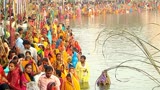
During Chhath Puja, prayers are dedicated to the solar deity, Surya, to express gratitude for the blessings of life on Earth and to seek the fulfilment of personal wishes. The Hindu goddess Chhathi Maiya (or Chhathi Mata)—the sixth form of Prakriti and Surya's sister—is also worshipped during the festival. It is celebrated for six days after Deepavali or Tihar, until the sixth day of the lunar month of Kartika (October or November) in the Hindu calendar (Vikram Samvat), which is why it is called 'Surya Shashti Vrata'. The rituals are observed over three nights and four days, and include holy bathing, fasting, abstaining from drinking water as a vrata (devotion), standing in water, and offering prasada (prayer offerings of food) and arghya to the rising and setting of the Sun. Some devotees also perform a prostration march as they head towards the riverbanks. All devotees prepare similar prasada and offerings.
नेपालीमा
छठ पर्व नेपाल र भारतका उत्तरीय क्षेत्रमा हिन्दूहरूले मनाउने एक महत्त्वपूर्ण पर्व हो। यो पर्वमा षष्ठी भगवतीको पूजा अर्चना गरी पुत्र, पति र परिवारको कल्याणको कामना गर्ने गरिन्छ। नेपालको विशेष रूपले तराई (मधेश) क्षेत्रमा श्रद्धा एवं भक्तिपूर्वक यो पर्व मनाइन्छ । यस पर्वको अवसरमा पञ्चमीका दिनदेखि व्रत बस्ने महिला तथा पुरुषले निष्ठापूर्वक पवित्र जलाशयमा स्नान गरी बेलुकीपख दूध, चामल र सख्खरको खीर पकाई प्रसादको रूपमा आफूले खाने र व्रत नबस्ने परिवारका सदस्यलाई पनि ख्वाउने चलन छ । परम्परा अनुसार छठका दिन साँझ अस्ताउँदो सूर्यलाई जलाशयमा उभिएर पूजासहित अर्घ दिएपछि रातभर नदी तथा तलाउ किनारमा बसी भजनकीर्तन गर्दै भोलिपल्ट सप्तमीका दिन बिहान उदाउँदो सूर्यलाई पुनः अर्घ दिई पूजा विसर्जन गरिन्छ ।यश पर्वमा मुस्लिम समुदायका व्यत्तिले पनि सहभागी हुन्छ र यो पर्व बिधिबत मनाउछ। पवित्र मनले छठ पर्व मनाउँदा पारिवारिक कल्याण, सन्तानसुख तथा मनोकामना पूरा हुने विश्वास गरिन्छ ।
Observed by: Indians and Nepalese * Maithils, Bhojpuriyas, Magahis, and Tharus
Traditional food and offerings
Chhath Puja is also marked by the preparation and offering of a variety of traditional and sattvic (pure and vegetarian) dishes that are cooked without onion or garlic. These food items hold cultural and religious importance, often passed down through generations. Four of the most important traditional prasadas (offerings) offered during Chhath Puja are:
Thekua – A crispy, sweet snack made from wheat flour, jaggery, and ghee, then deep-fried. Thekua is the most iconic offering of Chhath Puja. Rasabali – A traditional dessert made from flattened rice soaked in sweetened milk, flavored with cardamom and dry fruits. Kasar (Laddoo) – Made with powdered rice or wheat flour and jaggery, these laddoos are shaped into small balls and are considered a holy offering. Rice Laddu (Peethha) – A steamed or fried dumpling filled with jaggery and coconut, especially common in Bihar and Eastern UP. These recipes are not only offerings but also symbolize purity, devotion, and cultural richness associated with the Chhath festival.
Significance
Chhath Puja is dedicated to Surya, the Sun God, as it is thought that the sun is visible to every being and is the basis of life of all creatures on Earth. Chhathi Maiya (or Chhathi Mata) is also worshipped on this day. According to Vedic astrology, Chhathi Maiya grants children long life and good health by shielding them from illnesses and diseases.
Nahaay khaay (day 1)
On the first day of Chhath Puja, the parvaitin must take a holy bath, after which the entire house, its surroundings, and pathways to the ghat are thoroughly cleaned. Parvaitin usually cook sattvik lauki bhaat (bottle gourd and Bengal gram lentil, with Arva rice), which is served in the afternoon to the deity as bhog (consecrated food). This initiates the festival. The food is then eaten by the parvaitin to protect the mind from thoughts of vengeance; it is the parvaitin's the last meal during the festival.
Kharna / Rasiaav-roti / Lohanda (day 2)
Kharna, also known as Rasiaav-roti or Lohanda, is the second day of Chhath Puja. On this day, as an act of worship, devotees do not drink even a single drop of water. In the evening, they eat gur ke kheer (kheer made of jaggery), called rasiaav, together with roti or sohari.
Sandhya arghya (day 3)
This day is spent by preparing the prasada (food offerings) at home, which often consist of thekua (cookies), rice laddu sweets, khajuria, tikri, kasar, and fruits (mainly sugarcanes, sweet lime, coconut, banana, and seasonal fruits) offered in small bamboo baskets. The food is strictly vegetarian and is cooked without salt, onions, or garlic. Emphasis is placed on maintaining the purity of the food. In the evening, the entire household accompanies the devotee to a riverbank, pond, or other large body of water to make the arghya offerings to the setting sun. Where there is no river or pond, an indoor setup such as a tank or fountain is used. In certain places there are restrictions on using beaches for puja. Besides the devotees and their friends and family, other participants and onlookers help and receive the worshipper's blessings. When making arghya, Gangajal water is offered to Surya, and Chhathi Maiya is worshipped with the prasada. After the worship of the Sun God, participants sing Chhath songs in the night and read the Vrat katha. After returning home, devotees perform the ritual of kosi bharai together with other family members. They tie together 5–7 sugarcanes to form a mandap beneath which 12–24 diya (lamps) are burnt and thekua and seasonal fruits are offered. The same ritual is repeated the next morning between 3 am and 4 am, and afterward the devotees offer arghya or other offerings to the rising sun.
