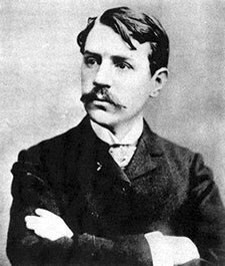
Paul Bourget
French writer, playwright and critic (1852–1935)
नेपालीमा पढ्नुहोस् · हिंदी में पढ़ें
- नेपाली · English · हिंदीRead in your language
- CitedEvery fact sourced
- Ad-freeNo ads, no tracking
Paul Charles Joseph Bourget (French: [buʁʒɛ]; 2 September 1852 – 25 December 1935) was a French poet, novelist and critic. He was nominated for the Nobel Prize in Literature five times.
Quick facts
- Born
- wd
- Place of birth
- Amiens wd
- Died
- wd
- Place of death
- Paris wd
- Citizenship
- France wd
- Occupation
- playwright, writer, essayist, novelist, literary critic, poet wd
- Political party
- Action Française wd
- Education
- Lycée Louis-le-Grand, Collège Sainte-Barbe, École pratique des hautes études, University of Paris, Lycée Blaise-Pascal wd
Positions held wd
- president (1926–1930)
- Member of the Académie française (31 May 1894 – 25 December 1935)
- chairperson
Awards wd
- Grand Cross of the Legion of Honour (1935)
- Concours général
- Taylorian Lecture
- Vitet Prize (1885)
About
Paul Bourget was born in Amiens, France. He initially abandoned Catholicism but eventually returned to it in the late 19th century. Bourget is known for his psychological and moralistic novels that often portrayed the complex emotions of women and the ideas, passions, and failures of young men in France. Some of his notable works include Le Disciple (1889), a bestseller that explored the consequences of materialism and positivism, and other novels such as Cruelle énigme (1885), André Cornelis (1886), and Mensonges (1887). He was admitted to the Académie Française in 1894 and was promoted to be an officer of the Légion d'honneur in 1895.
Bourget's early career was marked by volumes of verse, but he later found success in literary journalism, and his critical works such as Sensations d'Italie (1891) are highly regarded. Though his novels were widely popular in his time, they have since been largely forgotten by the general reading public. Nonetheless, Bourget remains an important figure in French literature for his psychological and moralistic approach to fiction, and his influence can be seen in the works of several composers, including Claude Debussy, who set some of Bourget's poems to music.
People also search for
 Hosni Mubarak
 Gamal Abdel Nasser
 Mohamed Morsi
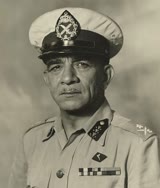 Mohamed Naguib
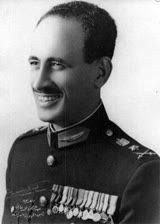 Abdul Rahman Arif
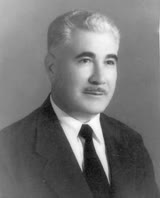 Muhammad Najib ar-Ruba'i
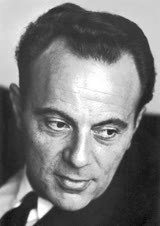 François Jacob
 Alain Aspect
 Jules A. Hoffmann
 Henri de Bornier
 Pierre Louis Roederer
 Jacques Rueff
Questions
- When was Paul Bourget born?
- Paul Bourget was born on 2 September 1852 in Amiens.
- What positions has Paul Bourget held?
- Positions held by Paul Bourget include: president (1926–1930); Member of the Académie française (1894–1935); chairperson.
- Where did Paul Bourget study?
- Paul Bourget was educated at Lycée Louis-le-Grand, Collège Sainte-Barbe, École pratique des hautes études, University of Paris.
Sources
- Wikipedia (English): Paul Bourget · CC BY-SA 4.0
- Wikidata item Q198644 · CC0 1.0
- Image: PaulBourget.jpg by Charles Gallot (Public domain)

Last updated · facts checked 7 November 2026
Cite this page
"Paul Bourget". DigiNepal. Last updated 31 October 2026. https://diginpl.com/people/paul-bourget. Retrieved 7 November 2026.
Is this you, or do you work in this person's office? Claim this profile