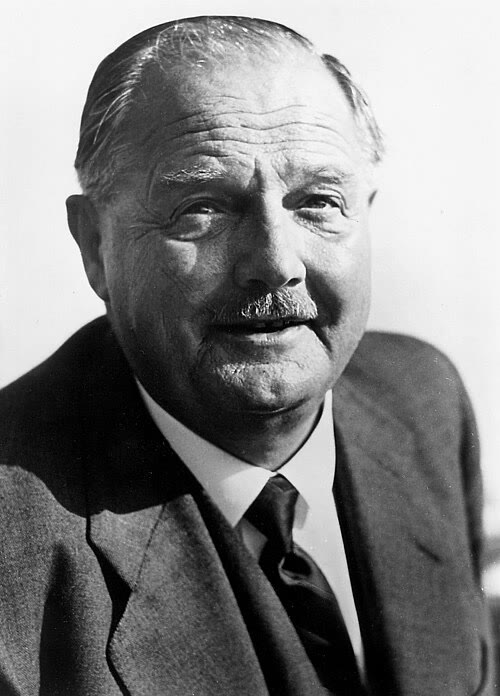
Julius Raab
Austrian chancellor and politician (1891-1964)
नेपालीमा पढ्नुहोस् · हिंदी में पढ़ें
- नेपाली · English · हिंदीRead in your language
- CitedEvery fact sourced
- Ad-freeNo ads, no tracking
Julius Raab was an Austrian politician who served as Federal Chancellor of Austria from 1953 to 1961. Raab steered Allied-occupied Austria to independence, when he negotiated and signed the Austrian State Treaty in 1955. In internal politics Raab stood for a pragmatic "social partnership" and the "Grand coalition" of Austrian Conservatives and Social Democrats.
Quick facts
Positions held wd
- Federal Chancellor of Austria (2 April 1953 – 11 April 1961)
- member of the National Council of Austria
- Federal minister (Austria)
Awards wd
- Ring of Honour of the Austrian state Styria
- Grand Cross 1st class of the Order of Merit of the Federal Republic of Germany
- honorary citizen of Vienna (1961)
- Honorary doctor of the University of Ottawa
- Karl Troop Cross
People also search for
 Kurt Schuschnigg
 Josef Klaus
 Alfred Gusenbauer
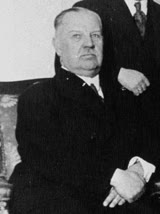 Carl Vaugoin
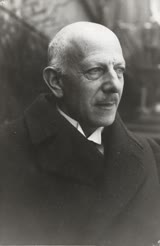 Otto Ender
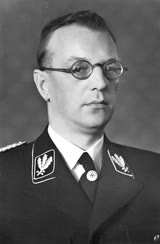 Arthur Seyss-Inquart
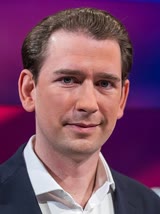 Sebastian Kurz
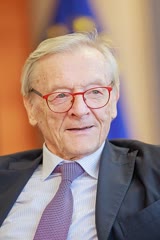 Wolfgang Schüssel
Questions
- When was Julius Raab born?
- Julius Raab was born on 29 November 1891 in St. Pölten.
- What positions has Julius Raab held?
- Positions held by Julius Raab include: Federal Chancellor of Austria (1953–1961); member of the National Council of Austria; Federal minister (Austria).
- Where did Julius Raab study?
- Julius Raab was educated at TU Wien, University of Vienna, convent Gymnasium in Seitenstetten.
Sources
- Wikipedia (English): Julius Raab · CC BY-SA 4.0
- Wikidata item Q78539 · CC0 1.0
- Image: Julius-Raab-1961.jpg by BKA/BPD (Attribution)

Last updated · facts checked 5 November 2026
Cite this page
"Julius Raab". DigiNepal. Last updated 31 October 2026. https://diginpl.com/people/julius-raab. Retrieved 5 November 2026.
Text from the Wikipedia article Julius Raab, licensed under CC BY-SA 4.0. This page's text is shared under the same licence. Facts from Wikidata (CC0). Image: Julius-Raab-1961.jpg — BKA/BPD, Attribution.
Is this you, or do you work in this person's office? Claim this profile