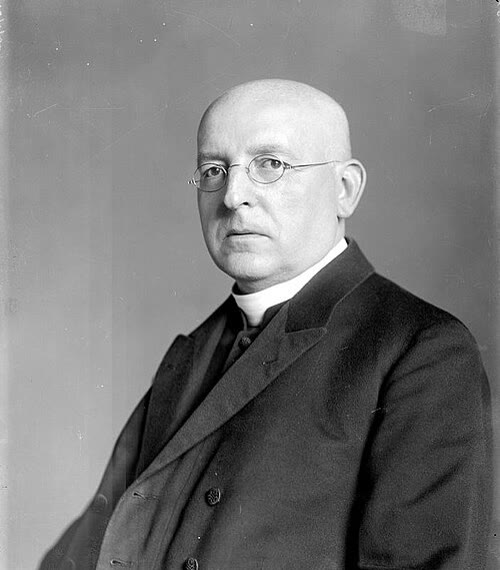
Ignaz Seipel
Chancellor during the 1920s (1876–1932)
नेपालीमा पढ्नुहोस् · हिंदी में पढ़ें
- नेपाली · English · हिंदीRead in your language
- CitedEvery fact sourced
- Ad-freeNo ads, no tracking
Ignaz Seipel (19 July 1876 – 2 August 1932) was an Austrian Catholic priest and conservative politician, who served as the Chancellor of the First Austrian Republic twice during the 1920s and leader of the Christian Social Party. He is considered the most prominent statesman of the Austrian right in the interwar period.
Quick facts
Positions held wd
- Federal Minister of Foreign Affairs of Austria (30 September 1930 – 4 December 1930)
- Federal Minister of Foreign Affairs of Austria (20 October 1926 – 4 May 1929)
- Federal Chancellor of Austria (20 October 1926 – 4 May 1929)
- Federal Chancellor of Austria (31 May 1922 – 20 November 1924)
- member of the National Council of Austria
About
Born into a modest bourgeois family, Seipel grew up in the town of Meidling, near Vienna, where he completed his studies before enrolling at the University of Vienna. He studied theology and was ordained as a priest in 1899. After serving in a rural parish, he returned to the imperial capital to pursue a doctorate. In 1908, he became an assistant professor of moral theology at the University of Vienna, and a year later, a full professor of the same discipline at the University of Salzburg, where he taught for the next eight years.
Seipel took an interest in social, educational, and economic issues and became friends with Heinrich Lammasch, a prominent Austrian jurist and the last Imperial Minister-President, who appointed him Minister of Social Welfare in his cabinet in late 1918. Although a monarchist, Seipel played a key role in helping the Christian Socialists accept the new republican system. He built up political catholicism by aligning the clericals with Vienna's large bourgeoisie, often of Jewish descent. Over time, his political stance evolved: while initially a strong supporter of the Austria–Hungary and the Habsburg dynasty, after World War I, he adopted a conciliatory approach toward socialists and democracy to prevent the establishment of a left-wing dictatorship. Later, between 1922 and 1924, he distanced himself from the socialists, forming alliances with capitalist and anti-Marxist groups. Disillusioned with democracy, by 1927, Seipel advocated for replacing it with a clerical authoritarian system.
A dominant figure in Austrian…
People also search for
 Kurt Schuschnigg
 Sebastian Kurz
 Wolfgang Schüssel
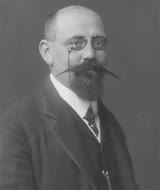 Karl Renner
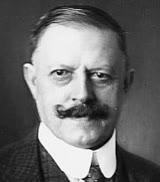 Michael Mayr
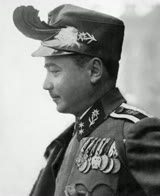 Engelbert Dollfuss
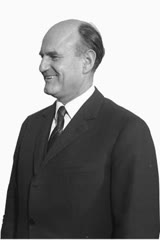 Josef Klaus
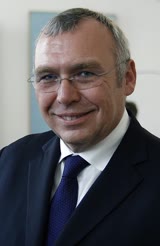 Alfred Gusenbauer
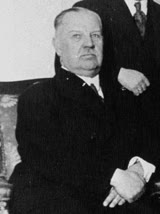 Carl Vaugoin
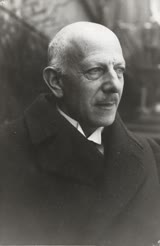 Otto Ender
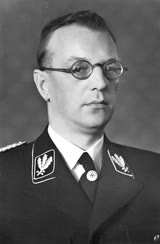 Arthur Seyss-Inquart
Questions
- When was Ignaz Seipel born?
- Ignaz Seipel was born on 19 July 1876 in Vienna.
- What positions has Ignaz Seipel held?
- Positions held by Ignaz Seipel include: Federal Minister of Foreign Affairs of Austria (1930–1930); Federal Minister of Foreign Affairs of Austria (1926–1929); Federal Chancellor of Austria (1926–1929); Federal Chancellor of Austria (1922–1924); member of the National Council of Austria.
- Where did Ignaz Seipel study?
- Ignaz Seipel was educated at University of Vienna.
Sources
- Wikipedia (English): Ignaz Seipel · CC BY-SA 4.0
- Wikidata item Q78720 · CC0 1.0
- Image: Wenzl Weis - Ignaz Seipel.jpg by Wenzl Weis (Public domain)

Last updated · facts checked 6 November 2026
Cite this page
"Ignaz Seipel". DigiNepal. Last updated 31 October 2026. https://diginpl.com/people/ignaz-seipel. Retrieved 6 November 2026.
Is this you, or do you work in this person's office? Claim this profile