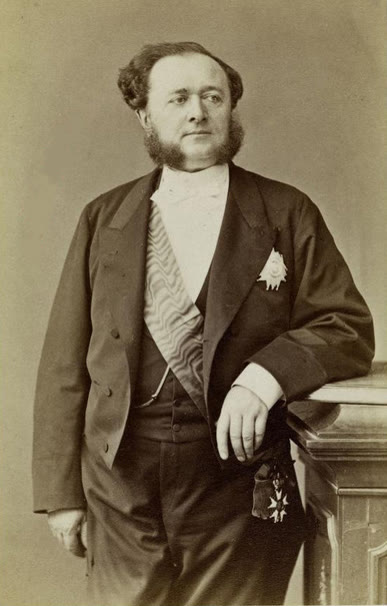
Charlemagne de Maupas
French politician (1818-1888)
नेपालीमा पढ्नुहोस् · हिंदी में पढ़ें
- नेपाली · English · हिंदीRead in your language
- CitedEvery fact sourced
- Ad-freeNo ads, no tracking
Charlemagne Émile de Maupas was a French lawyer and politician who was head of the Parisian Police during the critical period when Napoleon III seized power in the coup of 2 December 1851.
Quick facts
Positions held wd
- Prefect of Bouches-du-Rhône (1860–1866)
- Second Empire senator (1853–1870)
- list of Police Ministers of France (22 January 1852 – 21 June 1853)
- Prefect of Police of Paris (27 October 1851 – 2 December 1851)
- Prefect of Haute-Garonne (1851–1851)
- Prefect of Allier (1849–1851)
- sub-prefect of Boulogne-sur-Mer (1849–1849)
- sub-prefect of Beaune (1847–1848)
- Ambassador of France
- president
Awards wd
- Grand Cross of the Legion of Honour
People also search for
 Jean-Paul Proust
 Pierre Dartout
 Michel Chevalier
 Pierre Magne
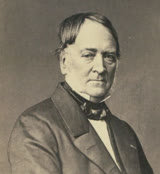 Alexandre Goüin
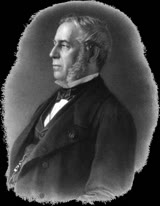 Édouard Drouyn de Lhuys
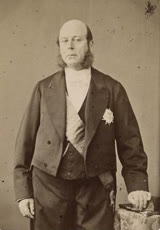 Jules Baroche
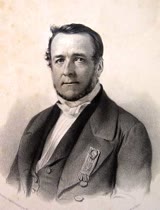 Paul Boudet
Questions
- When was Charlemagne de Maupas born?
- Charlemagne de Maupas was born on 8 December 1818 in Bar-sur-Aube.
- What positions has Charlemagne de Maupas held?
- Positions held by Charlemagne de Maupas include: Prefect of Bouches-du-Rhône (1860–1866); Second Empire senator (1853–1870); list of Police Ministers of France (1852–1853); Prefect of Police of Paris (1851–1851); Prefect of Haute-Garonne (1851–1851).
Sources
- Wikipedia (English): Charlemagne de Maupas · CC BY-SA 4.0
- Wikidata item Q2957873 · CC0 1.0
- Image: Charlemagne de Maupas (1818-1888).jpg by Pierre-Louis Pierson (Public domain)

Last updated · facts checked 5 November 2026
Cite this page
"Charlemagne de Maupas". DigiNepal. Last updated 2 November 2026. https://diginpl.com/people/charlemagne-de-maupas. Retrieved 5 November 2026.
Text from the Wikipedia article Charlemagne de Maupas, licensed under CC BY-SA 4.0. This page's text is shared under the same licence. Facts from Wikidata (CC0). Image: Charlemagne de Maupas (1818-1888).jpg — Pierre-Louis Pierson, Public domain.
Is this you, or do you work in this person's office? Claim this profile